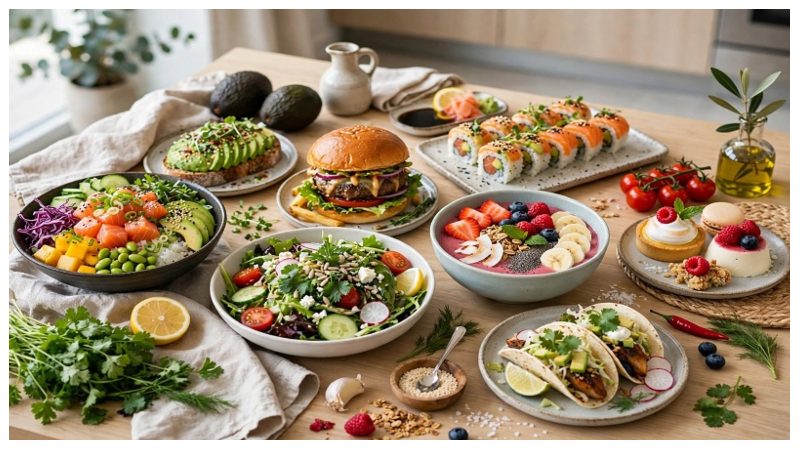

Food is always evolving. New ingredients, creative recipes, cooking techniques, and changing lifestyles continue to influence what people prepare and enjoy. From colorful breakfast bowls to globally inspired dinners, today’s food ideas offer something for every taste.
JalbiteBlog: Latest Food Ideas explores simple, creative, and enjoyable ways to bring fresh inspiration into everyday cooking. You do not need complicated ingredients or professional cooking skills to follow food trends. Often, a small change in flavor, presentation, or preparation can make an ordinary meal feel completely new.
Whether you enjoy cooking at home, trying different flavors, or searching for easy meal inspiration, these ideas can help you make your kitchen more creative and enjoyable.
1. Discover Fresh Food Ideas
Fresh food ideas can change the way we think about everyday meals. Instead of preparing the same recipes repeatedly, experimenting with ingredients and flavors can make cooking more exciting.
Modern food inspiration also encourages people to combine convenience with creativity. Quick meals, seasonal ingredients, international flavors, and simple recipes have become important parts of contemporary food culture.
Why Food Ideas Keep Changing
Food ideas change because people’s lifestyles, preferences, and interests change. Busy schedules encourage cooks to search for faster recipes, while greater interest in different cultures introduces new flavors and ingredients.
Social media has also made food inspiration easier to discover. A recipe can become popular after appearing in a short video or attractive photograph, inspiring people around the world to create their own versions.
Health, sustainability, affordability, and convenience also influence food choices. People increasingly look for meals that fit their routines while still providing enjoyable flavors.
This constant change keeps food culture interesting. A traditional recipe can receive a modern update, while a forgotten ingredient can suddenly become popular again.
What’s Trending in Food Today
Current food trends often focus on colorful presentation, convenient preparation, fresh ingredients, and interesting combinations. Bowls, wraps, homemade sauces, loaded toast, creative salads, and simple one-pan meals continue to provide plenty of inspiration.
There is also growing interest in meals that combine different textures. Creamy ingredients paired with crunchy toppings or soft vegetables served with toasted grains can create a more satisfying eating experience.
Another popular direction is personalization. Instead of following recipes exactly, people adjust ingredients according to their preferences, making each meal more individual.
Simple Ways to Try New Flavors
Trying new flavors does not mean completely changing your cooking style. Start with ingredients you already know and introduce one unfamiliar element.
For example, add fresh herbs to a familiar pasta dish, use citrus to brighten a salad, or add a spicy sauce to a simple rice bowl. Different spices can also transform basic ingredients without requiring much additional preparation.
You can experiment with sweet and savory combinations, fresh and smoky flavors, or creamy and crunchy textures. Small changes allow you to discover new favorites without making cooking complicated.
2. Creative Recipes to Explore
Creative recipes give everyday ingredients a new purpose. The best ideas often come from looking at familiar foods differently rather than purchasing expensive or unusual products.
You can turn leftovers into new meals, combine seasonal produce with basic pantry ingredients, or give traditional recipes a modern presentation.
Easy Recipes for Busy Days
Busy days call for recipes that are simple, filling, and easy to prepare. One-pan vegetables with protein, quick pasta, rice bowls, wraps, sandwiches, and hearty salads can all work well.
Preparation becomes even easier when a few basic ingredients are ready in advance. Cooked rice, chopped vegetables, boiled eggs, roasted ingredients, and simple homemade sauces can help reduce cooking time.
A flexible meal plan also prevents unnecessary stress. Instead of deciding what to cook at the last minute, choose a few basic ingredients and create different combinations throughout the week.
Easy cooking does not have to mean sacrificing flavor. Fresh herbs, spices, sauces, and thoughtful seasoning can turn simple ingredients into satisfying meals.
Fresh Ingredient Combinations
Combining fresh ingredients is one of the easiest ways to create new recipes. Seasonal vegetables can be paired with grains, beans, eggs, chicken, fish, or other preferred proteins.
Fresh fruits can also add a refreshing element to salads and snacks. Citrus, berries, apples, mangoes, and grapes can provide natural sweetness and contrasting textures.
Herbs can make an especially noticeable difference. Basil, mint, parsley, coriander, and other fresh herbs can add brightness to otherwise simple dishes.
When combining ingredients, think about balance. Try to include different flavors and textures so that no single element overwhelms the dish.
Modern Twists on Classic Dishes
Classic recipes never have to remain exactly the same. A familiar dish can become more interesting with a few thoughtful adjustments.
A traditional sandwich can become a colorful toasted creation with fresh vegetables and a flavorful sauce. A basic pasta recipe can receive a modern touch through roasted vegetables, herbs, or a different topping.
Even presentation can make a difference. Serving a familiar meal in a bowl, layering ingredients, or adding colorful toppings can give it a fresh appearance.
The goal is not to replace traditional food but to explore new ways of enjoying it.
3. Latest Food Trends
The latest food trends show how quickly cooking preferences can develop. Some trends focus on ingredients, while others focus on preparation, presentation, convenience, or cultural influences.
Following trends can be useful when they provide practical ideas. However, you do not need to try every trend. Choose the ideas that match your taste, budget, and lifestyle.
Popular Dishes to Try
Popular dishes often become successful because they are easy to customize. Bowls are a good example because they can combine vegetables, grains, protein, sauces, and toppings in countless ways.
Wraps and sandwiches also remain useful because they can accommodate different fillings and flavors. Salads have moved beyond simple greens, with many versions now including roasted vegetables, grains, beans, fruits, seeds, and flavorful dressings.
Pasta, rice dishes, soups, and homemade snacks can also be updated with new seasonings and ingredients.
The most useful popular dishes are those that give you a foundation while allowing you to create your own version.
Trending Ingredients
Ingredients can become popular because of their flavor, versatility, convenience, or appearance. Fresh herbs, colorful vegetables, whole grains, seeds, legumes, and different sauces can all inspire new recipes.
Instead of buying every trending ingredient, consider whether you can use it in several meals. Versatile ingredients provide more value and make meal planning easier.
For example, fresh vegetables can work in salads, wraps, rice dishes, soups, or roasted meals. Herbs can be used in sauces, marinades, salads, and garnishes.
Choosing flexible ingredients makes experimentation practical rather than wasteful.
New Cooking Styles
Cooking styles continue to change as people search for easier ways to prepare food. One-pan meals, sheet-pan cooking, air-frying, roasting, grilling, and simple stovetop recipes can reduce preparation and cleanup.
Another popular approach is batch preparation. Cooking certain ingredients in larger quantities can make it easier to assemble meals later.
Modern cooking does not always mean using advanced equipment. Sometimes, a simple cooking method combined with good seasoning can create excellent results.
4. Fresh Flavors and Ingredients
Fresh ingredients can make a noticeable difference in both taste and appearance. Fruits, vegetables, herbs, spices, grains, and other basic foods provide endless opportunities for experimentation.
Freshness also encourages variety because seasonal ingredients naturally change throughout the year.
Seasonal Foods
Seasonal foods can inspire you to change your meals regularly. Instead of relying on the same vegetables and fruits all year, pay attention to what is naturally available in your area.
Summer may inspire fresh salads, fruit dishes, chilled drinks, and lighter meals. Cooler months can encourage comforting soups, roasted vegetables, baked dishes, and warm grain bowls.
Seasonal cooking can also help you appreciate ingredients at their best. A simple recipe prepared with fresh produce can sometimes be more enjoyable than a complicated dish.
Global Flavors
Global cuisine offers endless inspiration for home cooks. Different cultures use unique combinations of spices, herbs, sauces, grains, vegetables, and cooking methods.
You might explore Mediterranean-inspired salads, Asian-style noodles, Mexican-inspired bowls, Middle Eastern dips, or South Asian spice combinations.
Global inspiration does not require strict recipes. You can learn about a flavor profile and adapt it using ingredients available in your own kitchen.
This approach makes cooking more creative while encouraging appreciation for different food traditions.
Unique Taste Combinations
Unexpected combinations can make food memorable. Sweet and spicy flavors can create contrast, while creamy and crunchy ingredients can provide an enjoyable texture.
Try combining roasted vegetables with fresh herbs, fruit with savory salads, or creamy dips with crispy vegetables. Citrus can brighten rich dishes, while toasted seeds can add texture to soft foods.
Experiment gradually. When trying a new combination, use a small amount first and adjust according to your taste.
5. Everyday Food Inspiration
Food inspiration does not need to be reserved for special occasions. Everyday meals can become more interesting through simple ingredients and creative preparation.
The most practical ideas are those that fit naturally into your routine.
Quick Breakfast Ideas
Breakfast can be simple while still offering variety. Eggs with vegetables, yogurt with fruit and seeds, overnight oats, smoothies, avocado toast, and fresh fruit bowls are flexible options.
You can change the flavor of the same basic breakfast by adding different fruits, herbs, spices, nuts, or toppings.
Preparing some ingredients the night before can also make busy mornings easier.
Simple Lunch and Dinner Ideas
Lunch and dinner become easier when you use a flexible formula. Start with a base such as rice, pasta, potatoes, grains, or bread. Add vegetables and your preferred protein, then finish with a sauce, herbs, or seasoning.
This approach allows you to create different meals without learning an entirely new recipe every day.
Soups, wraps, grain bowls, roasted vegetables, pasta, and homemade sandwiches can all be adapted according to what you have available.
Delicious Snacks and Drinks
Snacks provide another opportunity to experiment. Fresh fruit, yogurt, roasted nuts, homemade popcorn, vegetable sticks with dip, toasted bread, and simple homemade bites can make enjoyable choices.
Drinks can also receive a fresh touch. Add lemon, lime, mint, cucumber, berries, or other fruits to water for a refreshing option.
A simple snack does not need complicated preparation. Fresh ingredients and appealing presentation can make everyday choices feel special.
6. Making Food More Enjoyable
Food is not only about following recipes. It is also about creativity, discovery, and enjoying the process of preparing and sharing meals.
A relaxed approach makes it easier to experiment and discover what works for you.
Experimenting With New Tastes
Experimentation is one of the best ways to improve your understanding of food. Start with one new spice, ingredient, or cooking technique at a time.
Keep notes about combinations you enjoy. Over time, you will develop your own collection of favorite flavors.
Do not worry if every experiment does not work perfectly. Cooking improves through practice, and unsuccessful combinations can teach you what to change next time.
Creating Meals Your Way
Recipes are useful guides, but they do not always need to be followed word for word. You can adjust ingredients based on availability, taste, and dietary preferences.
If you prefer stronger flavors, add more herbs or spices. If you enjoy fresh ingredients, increase the vegetables. If you like texture, add seeds, nuts, or toasted toppings.
Personalizing meals makes cooking more enjoyable because the final dish reflects your own preferences.
Turning Simple Ingredients Into Great Food
Some of the best meals begin with ordinary ingredients. Rice, vegetables, eggs, pasta, beans, bread, and herbs can become completely different dishes depending on how you combine and prepare them.
Good seasoning can bring basic ingredients to life. Roasting can add depth, fresh herbs can provide brightness, and a simple sauce can bring several ingredients together.
This is an important part of modern food inspiration: you do not always need more ingredients. Sometimes, you simply need a more creative way to use what you already have.
7. Final Thoughts on Latest Food Ideas
JalbiteBlog: Latest Food Ideas is all about discovering simple ways to make everyday food more creative, flavorful, and enjoyable. From fresh seasonal ingredients and global flavors to quick meals and modern twists on classic dishes, there are countless possibilities to explore.
Food trends can provide inspiration, but your own taste should always guide your choices. Try new ingredients, experiment with textures, refresh familiar recipes, and make meals that fit your lifestyle.
The best food ideas are not necessarily the most complicated ones. Sometimes, a fresh ingredient, a new seasoning, or a small change in preparation can completely transform a familiar meal.