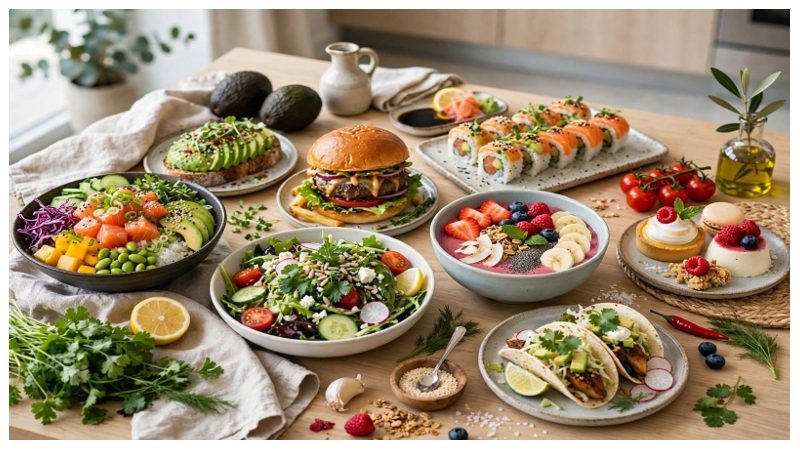
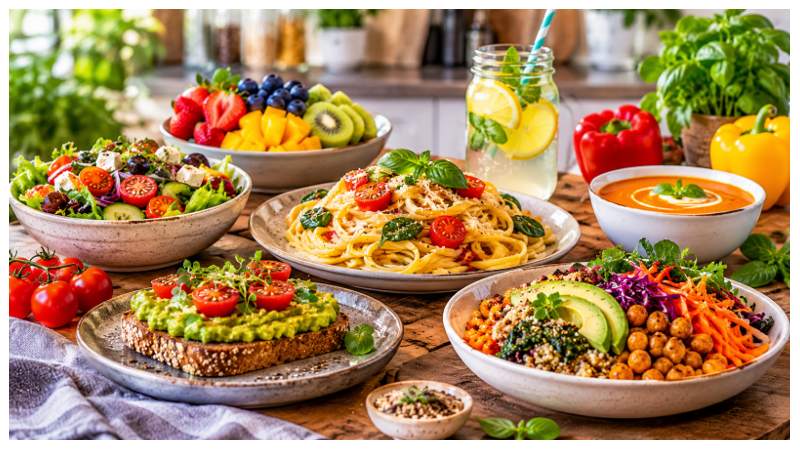
Food trends continue to influence how people cook, eat, and discover new flavors. From colorful ingredients and creative recipes to international dishes and healthier meal ideas, modern food culture offers countless ways to make everyday meals more exciting. People are increasingly interested in food that tastes delicious, looks appealing, and fits their lifestyles.
JalbiteBlog Trend Food: Fresh Flavors explores popular food trends, fresh ingredients, unique flavor combinations, and simple cooking inspiration. Whether you enjoy experimenting with new recipes or prefer easy meals made with familiar ingredients, exploring different food ideas can help you bring variety and creativity into your kitchen.
Discovering the Latest Food Trends
Food trends reflect changing interests in ingredients, cooking methods, flavors, and eating habits. Some trends begin in restaurants, while others become popular through food blogs, social media, and home cooking communities. A simple recipe can attract attention when it introduces an unusual combination or makes a familiar dish easier to prepare.
Following food trends can also encourage people to discover ingredients they might not normally use. However, you do not need to follow every new idea. The most useful trends are those that match your personal preferences and make cooking more enjoyable.
Popular Flavors to Explore
Flavor is one of the biggest reasons people become interested in new foods. Sweet, spicy, smoky, tangy, and savory ingredients can create different experiences when combined thoughtfully.
Sweet and spicy combinations, for example, can add excitement to roasted vegetables, grilled dishes, or homemade sauces. Citrus flavors can brighten salads and seafood, while fresh herbs bring fragrance to soups, pasta, and grain bowls. Smoky seasonings can give vegetables and other ingredients a deeper taste without requiring complicated preparation.
You can explore these flavors using ingredients already available at home. Add lemon juice to a salad dressing, sprinkle chili flakes over roasted vegetables, or combine fresh herbs with garlic and olive oil. Small changes can make familiar recipes feel new.
New Ingredients in Modern Cooking
Modern cooking often introduces versatile ingredients that work in several types of meals. Whole grains, legumes, fresh herbs, colorful vegetables, seeds, mushrooms, and different sauces can help home cooks create varied dishes without purchasing too many specialized products.
For example, chickpeas can become part of a salad, a warm curry, a homemade dip, or a crispy snack. Mushrooms can add texture to pasta, rice dishes, soups, and sandwiches. Fresh herbs can improve the flavor of both simple and elaborate recipes.
Trying one unfamiliar ingredient at a time makes experimentation easier. Learn how it tastes, which foods complement it, and how different cooking methods affect its texture.
Changing Food Preferences
Food preferences change as lifestyles, cultural influences, and cooking habits evolve. Many people look for convenient meals that require less preparation, while others explore plant-based dishes, traditional recipes, or foods inspired by international cuisines.
There is also growing interest in reducing food waste and using ingredients more efficiently. Leftover vegetables can become soup, cooked rice can be transformed into a stir-fry, and ripe fruit can be used in smoothies or homemade desserts.
These changes show that food trends are not only about fashionable dishes. They can also inspire practical habits that make everyday cooking more flexible.
Fresh and Creative Food Ideas
Fresh food ideas do not need to involve expensive ingredients or advanced cooking skills. A simple recipe can become more appealing when you introduce a different seasoning, combine contrasting textures, or improve its presentation.
Easy Recipes for Everyday Meals
Everyday recipes are most useful when they are simple, adaptable, and satisfying. Vegetable wraps, pasta dishes, rice bowls, homemade soups, and fresh salads can all be prepared with flexible ingredients.
A basic rice bowl, for example, can include cooked rice, roasted vegetables, beans or another protein source, fresh herbs, and a flavorful dressing. You can change the ingredients according to what you have available.
Preparing a few ingredients in advance can make cooking easier throughout the week. Cooked grains, washed vegetables, and homemade sauces can be stored appropriately and used in different combinations.
Unique Flavor Combinations
Creative flavor combinations can transform ordinary ingredients into memorable meals. The secret is to balance flavors rather than combining too many ingredients at once.
Try pairing creamy avocado with tangy lemon, sweet roasted vegetables with aromatic herbs, or crunchy vegetables with a smooth yogurt-based dip. Fruit can also complement savory dishes when used thoughtfully, such as apple slices in a fresh salad or mango in a tangy salsa.
Texture matters just as much as flavor. Combining crispy, soft, creamy, and crunchy elements can make a meal more enjoyable.
When testing a new combination, begin with a small amount of the unfamiliar ingredient. Taste the dish as you prepare it and adjust the seasoning gradually.
Modern Twists on Classic Dishes
Traditional recipes provide an excellent starting point for modern cooking. You can update a familiar dish without losing the qualities that make it enjoyable.
For example, classic pasta can include extra roasted vegetables and fresh herbs. A traditional sandwich can become more interesting with a homemade spread, crunchy greens, and grilled vegetables. Homemade flatbreads can be topped with different vegetables, cheeses, herbs, or sauces.
You can also experiment with cooking techniques. Roasting can deepen the flavor of vegetables, grilling can add a smoky note, and baking can create a crisp surface.
The aim is to respect familiar flavors while introducing something fresh and personal.
Exploring Global Flavors
International cuisine offers a wide range of ingredients, seasonings, and preparation methods. Exploring dishes from different cultures can expand your cooking knowledge and introduce you to new combinations.
International Food Inspiration
Different regions have distinct culinary traditions shaped by local ingredients, climate, history, and culture. Mediterranean-inspired dishes often feature vegetables, grains, herbs, olive oil, and citrus. Many South Asian recipes use aromatic spice blends, lentils, vegetables, and flavorful sauces. East Asian cuisines offer diverse approaches to noodles, rice, fermented ingredients, and stir-frying.
You can draw inspiration from these traditions without making every recipe complicated. Try a new spice blend, prepare a simple lentil dish, or serve vegetables with a sauce inspired by a cuisine you enjoy.
Learning about the ingredients and methods behind a dish can make the experience more meaningful.
Fusion Dishes and Creative Recipes
Fusion cooking combines elements from different culinary traditions to create a new dish. It might involve pairing familiar ingredients with a different sauce, adapting a traditional recipe to suit local produce, or using a new seasoning in an everyday meal.
For instance, a grain bowl might combine roasted vegetables with a spicy dressing, while a wrap could feature familiar fillings with herbs and seasonings inspired by another cuisine.
Successful fusion cooking requires balance. Choose ingredients that complement one another in flavor and texture, and avoid adding too many competing elements.
Fusion recipes are also a useful way to make meals more personal. You can adapt a dish to your available ingredients, dietary preferences, and preferred level of spice.
Popular Flavors From Around the World
Global food trends introduce people to flavors that may be unfamiliar but exciting. Garlic, ginger, cumin, coriander, chili, sesame, citrus, and fresh herbs appear in many culinary traditions, although their combinations and preparation methods differ.
You can explore these flavors through curries, noodle dishes, grilled foods, rice bowls, soups, salads, and sauces. Even a simple homemade dressing can introduce a new flavor profile to an ordinary meal.
Approaching global cuisine with curiosity also encourages appreciation for the traditions behind different dishes. Rather than treating every international recipe as a trend, take time to understand its ingredients and cultural context.
Healthy and Fresh Food Choices
Fresh food trends can encourage greater variety and more thoughtful ingredient choices. Healthy eating does not require giving up favorite meals. It is often about finding a practical balance between enjoyment, nourishment, and individual needs.
Fresh Fruits and Vegetables
Fruits and vegetables add color, flavor, texture, and valuable nutrients to everyday meals. Including a variety of produce can also make your menu more interesting.
Leafy greens, tomatoes, carrots, peppers, berries, apples, citrus fruits, and other available produce can be used in salads, soups, wraps, smoothies, and side dishes.
Different preparation methods offer different experiences. Raw vegetables provide crunch, roasting can create a sweeter and deeper flavor, and steaming can preserve a tender texture. Experimenting with these methods can help you discover new ways to enjoy familiar ingredients.
Balanced Meal Ideas
A balanced meal can include vegetables or fruit, a protein source, grains or other carbohydrate-rich foods, and suitable sources of fat. The combination can vary depending on personal preferences and dietary requirements.
For example, you might prepare grilled chicken or tofu with vegetables and rice, serve lentils with whole-grain flatbread, or make a salad with beans, seeds, and a flavorful dressing.
Variety is important because different foods provide different nutrients. A balanced approach also allows room for traditional dishes and occasional treats without making food unnecessarily restrictive.
Nutritious Ingredients for Daily Cooking
Nutritious ingredients can be easy to include in ordinary recipes. Beans and lentils provide protein and fiber, while oats and other whole grains contribute fiber and additional nutrients. Nuts and seeds can add texture to breakfast bowls, salads, and snacks.
Eggs, dairy products, fish, tofu, and other protein-rich foods can also be incorporated according to individual preferences. Fresh herbs, spices, garlic, and citrus help build flavor without relying entirely on heavy sauces.
Keeping a few versatile ingredients in your kitchen makes it easier to prepare meals when time is limited. Choose foods you enjoy and use them in different combinations to maintain variety.
Seasonal Food Trends
Seasonal cooking encourages you to use ingredients that are available at different times of the year. It can make meal planning more interesting and help you discover fresh ways to prepare familiar produce.
Fresh Summer Food Ideas
Summer is a good time to enjoy refreshing dishes made with seasonal produce. Fresh salads, fruit bowls, chilled soups, grilled vegetables, wraps, and light grain dishes can be appealing in warmer weather.
Watermelon, berries, peaches, melons, tomatoes, cucumbers, and other available ingredients can be used in simple recipes. Fresh herbs and citrus can bring extra brightness to salads and dressings.
For an easy summer meal, combine vegetables, cooked grains, beans, and a lemon-based dressing. The ingredients can be adjusted to suit your taste and what is available locally.
Comforting Winter Recipes
Cold weather often inspires warm, comforting meals. Soups, stews, curries, baked dishes, roasted vegetables, and warm grain bowls can provide satisfying options during winter.
Seasonings such as ginger, cumin, paprika, cinnamon, and black pepper can add depth to many recipes. Vegetables can be roasted until tender or simmered in soups with beans, lentils, or other ingredients.
Comforting meals can still offer variety and balance. Include vegetables and suitable protein sources alongside the ingredients that make a dish filling and enjoyable.
Cooking With Seasonal Ingredients
Seasonal ingredients can inspire your weekly meal plan. Begin by choosing available fruits and vegetables, then consider different ways to prepare them.
A vegetable might be roasted as a side dish, added to pasta, blended into soup, or included in a wrap. Fruit can be served fresh, added to breakfast, blended into a smoothie, or used in a simple dessert.
Planning around available produce may also help you use ingredients before they spoil. Store food correctly, prepare only what you need, and use suitable leftovers in future meals.
Quick Meals and Delicious Snacks
Not every meal needs extensive preparation. Quick recipes and simple snacks can help you enjoy a varied menu even when your schedule is busy.
Simple Breakfast Ideas
Breakfast can be straightforward and flavorful. Oatmeal with fruit and seeds, yogurt with berries, whole-grain toast with eggs, or a vegetable omelet are flexible options.
If mornings are rushed, prepare ingredients the night before. Overnight oats, washed fruit, or pre-cut vegetables can reduce the work required before leaving home.
Choose breakfast ingredients that suit your appetite and routine rather than feeling pressured to follow a particular food trend.
Easy Lunch and Dinner Recipes
For lunch, try a vegetable wrap, a bean salad, a sandwich with fresh greens, or a grain bowl with a protein source. These meals are adaptable and can use ingredients prepared in advance.
Dinner can feature one-pan roasted vegetables, quick stir-fries, pasta with a simple sauce, homemade soup, or rice dishes. Using a small collection of versatile ingredients helps reduce preparation time.
Seasonings and sauces can make the same basic ingredients taste different throughout the week, keeping simple meals from becoming repetitive.
Creative Snacks and Refreshing Drinks
Snacks can be both easy and interesting. Fresh fruit, yogurt, roasted chickpeas, vegetable sticks with dip, nuts, seeds, and whole-grain crackers offer different textures and flavors.
For refreshing drinks, try water infused with lemon, cucumber, mint, or berries. Homemade smoothies can combine fruit with yogurt, milk, or a suitable alternative. Unsweetened iced tea is another option.
Pay attention to added sugar when preparing drinks and snacks. Natural ingredients can provide plenty of flavor without requiring excessive sweetness.
Bringing Fresh Flavors Into Your Kitchen
Exploring new flavors becomes easier when you treat cooking as an opportunity to experiment. You do not need to change your entire menu to benefit from food trends. A few small adjustments can bring variety to familiar dishes.
Simple Ways to Experiment With Food
Start with one change at a time. Try an unfamiliar herb, use a different cooking method, or add a new vegetable to a favorite recipe. You can also experiment with dressings, marinades, and spice combinations.
Keep notes about combinations you enjoy. This can help you repeat successful recipes and adjust those that need improvement.
If an ingredient is unfamiliar, research how it is commonly prepared and which flavors complement it. A little preparation can make experimentation more successful.
Making Everyday Meals More Exciting
Presentation can make a meal feel special without adding much work. Arrange colorful ingredients together, garnish dishes with fresh herbs, or serve a dip alongside vegetables and warm bread.
Texture can also improve an ordinary meal. Add crunchy seeds to a salad, fresh vegetables to a sandwich, or a creamy sauce to a grain bowl.
Most importantly, choose changes that suit your preferences. Food should be enjoyable, and there is no need to follow a trend simply because it is popular.
Finding Inspiration for Your Next Recipe
Inspiration can come from seasonal markets, family recipes, cookbooks, food blogs, restaurant menus, and conversations with other home cooks. When you discover an appealing idea, consider how you can adapt it to your own kitchen.
Choose recipes that match your available time, ingredients, and cooking skills. If a recipe requires too many unfamiliar items, begin with a simpler version.
The JalbiteBlog Trend Food: Fresh Flavors theme is about discovering new possibilities and turning inspiration into practical meals. With a little curiosity, familiar ingredients can become the starting point for many creative recipes.
Final Thoughts
Food trends offer opportunities to discover new ingredients, explore global cuisine, and make everyday cooking more enjoyable. From seasonal dishes and balanced meals to quick snacks and creative flavor combinations, there are many ways to introduce fresh ideas into your routine.
Enjoying New Flavors Through Food Trends
The best way to explore food trends is to choose what works for you. Try new flavors gradually, use ingredients you enjoy, and adapt recipes to your lifestyle. You do not need expensive products or complicated techniques to create something delicious.
JalbiteBlog Trend Food: Fresh Flavors celebrates the creativity of everyday cooking. By combining fresh ingredients, thoughtful seasoning, and a willingness to experiment, you can discover meals that feel exciting, personal, and satisfying.