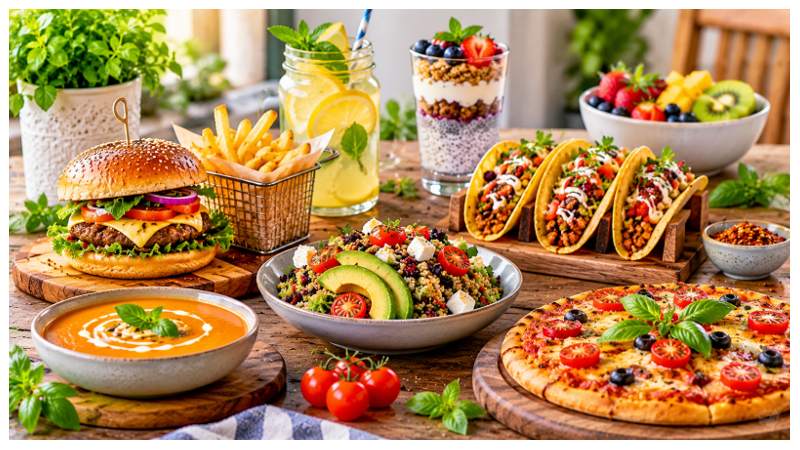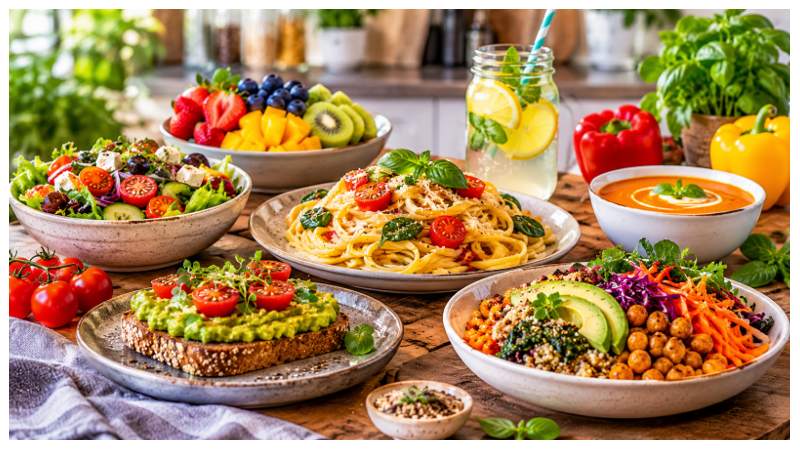
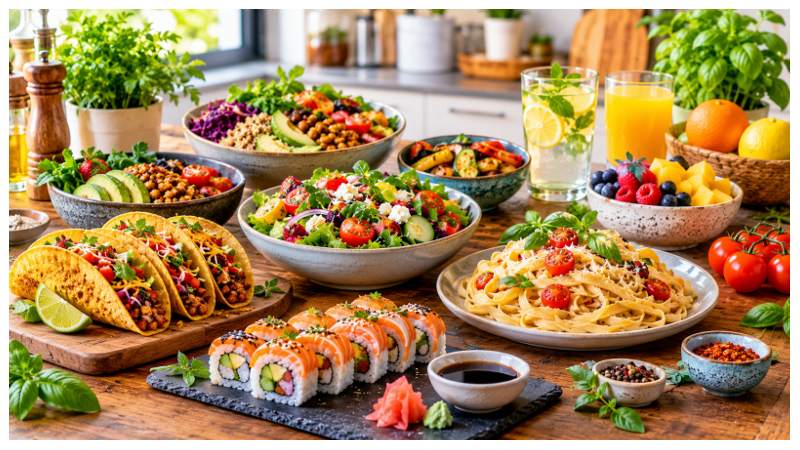
Food culture continues to evolve as people discover unfamiliar ingredients, explore international cuisines, and experiment with new cooking styles. From plant-based dishes to creative street food, modern trends are influencing what people prepare, order, and enjoy. Seasonal produce, colorful presentations, and exciting flavor combinations are also becoming important parts of the dining experience.
Food Trends JalbiteBlog: Fresh Flavors explores popular food movements, fresh ingredients, global culinary inspiration, and practical meal ideas. Whether you enjoy preparing homemade dishes or discovering something new at restaurants, these trends offer plenty of inspiration for making food more interesting.
1. Understanding Modern Food Trends
What Are Food Trends?
Food trends are popular ingredients, recipes, cooking techniques, and eating habits that attract attention among consumers. They can develop through restaurant culture, social media, international travel, and changing consumer interests.
Some trends introduce unfamiliar ingredients, while others give traditional recipes a contemporary twist. Examples include colorful smoothie bowls, plant-based burgers, Korean-inspired street food, and creative fusion meals.
Food trends also reflect wider changes in society. Growing interest in sustainability, convenience, food presentation, and ingredient quality influences the products restaurants introduce and the recipes people prepare at home.
Popular Flavors in Today’s Food Culture
Today’s food culture features combinations that balance sweetness, acidity, spice, and savory depth. Sweet-and-spicy sauces, citrus dressings, smoky seasonings, and herb-based marinades are popular ways to create distinctive tastes.
Ingredients such as ginger, garlic, chili, lime, basil, and coriander appear in many modern recipes. Fermented foods, including kimchi and miso, also contribute distinctive flavors to noodles, rice bowls, sauces, and vegetable dishes.
Another noticeable preference is the use of contrasting textures. Creamy avocado, crunchy seeds, crisp vegetables, and smooth sauces can make a dish more interesting without requiring elaborate preparation.
How Food Preferences Are Changing
Modern lifestyles influence how people choose and prepare food. Busy schedules have increased interest in convenient meals, meal preparation, takeaway options, and quick recipes.
At the same time, many consumers pay closer attention to ingredients, nutritional variety, and food sourcing. Some explore plant-based alternatives, while others look for locally produced foods or dishes inspired by different cultures.
Online platforms have also changed how people discover recipes. A dish can become widely recognized through a short cooking video, restaurant review, or food photograph. These influences allow culinary ideas to travel quickly between countries and communities.
2. Fresh Ingredients and New Flavors
Seasonal Fruits and Vegetables
Seasonal produce brings variety to cooking throughout the year. Summer offers ingredients such as watermelon, peaches, berries, tomatoes, and cucumbers, which work particularly well in chilled salads and refreshing drinks.
During autumn and winter, pumpkins, sweet potatoes, carrots, apples, and leafy greens become useful ingredients for roasted dishes, soups, and baked meals. Their natural flavors suit warming spices and richer preparations.
Seasonal shopping can also introduce home cooks to produce they might otherwise overlook. Visiting farmers’ markets or checking local availability can reveal interesting varieties and inspire new recipes.
Creative Ingredient Combinations
Unexpected ingredient pairings can create memorable dishes. For example, watermelon with feta cheese combines sweetness with saltiness, while roasted carrots with tahini dressing bring together earthy and creamy flavors.
Other combinations include strawberries with balsamic vinegar, mango with chili, and avocado with citrus. These pairings work because their contrasting qualities create a more complex taste.
Texture matters as well. Adding toasted almonds to a soft grain bowl or crunchy cucumber to a creamy sandwich filling creates a satisfying difference in every bite.
Exploring Unique Taste Experiences
Exploring unfamiliar ingredients can expand your cooking skills. Miso adds a savory depth to dressings and soups, tahini creates rich sauces, and smoked paprika introduces a gentle smoky character to vegetables and roasted potatoes.
Different varieties of chili also offer more than heat. Some provide fruity notes, while others bring earthy or smoky flavors. Experimenting with small quantities helps you understand their individual characteristics.
Specialty ingredients do not always need to be expensive or difficult to find. Many supermarkets now stock international sauces, grains, spices, and seasonings that can introduce new possibilities to familiar recipes.
3. Popular Food Trends to Explore
Plant-Based Food Ideas
Plant-based cooking has developed into a broad culinary movement rather than a limited collection of vegetable dishes. Beans, lentils, mushrooms, tofu, nuts, and whole grains provide different textures and flavors for creative meals.
Popular examples include chickpea burgers, lentil bolognese, mushroom tacos, tofu stir-fries, and cauliflower steaks. These recipes demonstrate how plant ingredients can become the main attraction rather than simply serving as side dishes.
Restaurants are also experimenting with plant-based versions of familiar foods. However, not every alternative product has the same nutritional profile, so checking ingredients and nutritional information remains useful.
Fusion Dishes and Global Flavors
Fusion cuisine combines elements from different culinary traditions. It can involve blending cooking techniques, seasonings, sauces, or ingredients to produce a distinctive dish.
Examples include Korean-inspired tacos, Indian-spiced pizza, sushi burritos, and Mediterranean-style grain bowls with Asian dressings. These combinations allow chefs to reinterpret familiar foods while introducing customers to new tastes.
Successful fusion cooking requires attention to flavor balance. Choosing ingredients that complement one another creates a more enjoyable result than combining unrelated elements simply for novelty.
Creative Street Food Trends
Street food remains an important source of inspiration for modern dining. Its appeal comes from convenient serving styles, bold seasonings, and dishes that can be enjoyed without formal dining arrangements.
Loaded fries, filled flatbreads, grilled skewers, spicy noodles, bao buns, and gourmet sandwiches are examples of street-inspired foods that have gained wider popularity.
Many vendors also give traditional snacks a contemporary appearance through unusual toppings, colorful sauces, and creative fillings. Home cooks can recreate similar ideas with accessible ingredients, making street-food-inspired meals suitable for casual gatherings and family dinners.
4. Healthy and Nutritious Eating
Balanced Everyday Meals
Balanced meals combine different food groups to provide variety and support everyday nutritional needs. A typical plate can include vegetables, a source of protein, whole grains, and a moderate amount of healthy fats.
For example, a Mediterranean-inspired lunch might contain grilled chicken or chickpeas, brown rice, cucumber, tomatoes, and olive oil dressing. Another option is a vegetable omelette served with whole-grain toast.
Meal composition can change according to personal preferences and dietary requirements. Including a range of ingredients throughout the week is more practical than expecting every individual meal to contain everything.
Nutritious Ingredients for Cooking
Certain ingredients are especially useful because they can be included in many types of recipes.
- Whole grains: Oats, barley, quinoa, and brown rice provide fiber and can form the base of filling meals.
- Legumes: Chickpeas, beans, and lentils contribute plant protein and work well in soups, salads, and curries.
- Vegetables: Spinach, carrots, broccoli, tomatoes, and peppers add color and a range of nutrients.
- Fruits: Apples, oranges, berries, and bananas can be used in breakfasts, snacks, and desserts.
- Nuts and seeds: Almonds, walnuts, chia seeds, and pumpkin seeds add texture and beneficial fats.
Keeping versatile ingredients available makes it easier to prepare different meals without purchasing an entirely new collection of groceries.
Simple Ways to Enjoy Healthy Food
Flavorful cooking can make nutritious ingredients more appealing. Roasting broccoli with garlic, adding lemon to steamed vegetables, or seasoning lentils with cumin and coriander can transform basic ingredients.
Homemade sauces are another useful option. A dressing made with yogurt, lemon juice, herbs, and black pepper can complement salads, wraps, and grilled foods.
Food preparation methods also influence the final dish. Baking, grilling, steaming, and roasting provide alternatives to deep-frying and allow ingredients to retain their individual character.
5. Global Food Inspiration
Popular International Dishes
International cuisine offers a wide range of dishes that introduce different ingredients and cooking traditions. Italian pasta, Japanese sushi, Mexican tacos, Indian biryani, Middle Eastern hummus, and Thai curries are enjoyed in many parts of the world.
Each dish reflects the ingredients and culinary practices associated with its region. For example, Italian cooking is known for pasta, tomatoes, olive oil, and herbs, while Thai cuisine often combines aromatic herbs, chili, citrus, and coconut.
Exploring international recipes can also reveal similarities between cuisines. Many cultures have their own versions of filled breads, rice-based meals, vegetable stews, and grilled snacks.
Traditional Recipes With Modern Twists
Traditional dishes often provide an excellent starting point for contemporary cooking. Chefs and home cooks can update familiar recipes through presentation, alternative ingredients, and different preparation techniques.
A classic vegetable soup might be served with roasted chickpeas and fresh herbs. Traditional flatbread can become a modern wrap filled with grilled vegetables, spiced protein, and yogurt sauce.
Similarly, rice dishes can be updated with seasonal vegetables, toasted nuts, or different spice combinations. These changes offer variety while keeping the original recipe recognizable.
Flavors From Different Cultures
Culinary traditions use ingredients in distinctive ways. Indian cuisine features combinations of spices such as turmeric, cumin, coriander, and cardamom. Mediterranean dishes frequently use olive oil, garlic, lemon, and fresh herbs.
East Asian cooking includes ingredients such as soy sauce, sesame oil, ginger, and fermented pastes. Middle Eastern food often features tahini, sumac, mint, chickpeas, and aromatic spice blends.
Learning about these ingredients helps cooks understand why certain combinations work well. It also provides a practical starting point for recreating international flavors at home.
6. Seasonal Food Ideas
Fresh Summer Food Trends
Summer menus often feature chilled dishes, fresh fruit, grilled vegetables, and refreshing beverages. Watermelon salads, fruit bowls, cucumber sandwiches, cold pasta salads, and homemade lemon drinks are popular warm-weather choices.
Grilling is another useful seasonal technique. Corn, zucchini, peppers, eggplant, and pineapple develop appealing flavors when cooked over direct heat.
For outdoor gatherings, foods that can be prepared ahead of time are especially convenient. Chilled salads, vegetable wraps, and fruit platters can be assembled before guests arrive.
Comforting Winter Dishes
Cooler weather often encourages people to prepare warm, filling meals. Vegetable soups, lentil stews, baked potatoes, casseroles, and slow-cooked dishes are common winter favorites.
Pumpkin soup with black pepper, bean stew with tomatoes, and roasted root vegetables are examples of recipes that make good use of seasonal ingredients.
Winter is also a suitable time to explore warming spices. Cinnamon, ginger, nutmeg, and cloves can add depth to both savory dishes and baked treats.
Cooking With Seasonal Ingredients
Planning meals around seasonal produce can make grocery shopping more varied. It also gives home cooks a reason to try different vegetables and fruits rather than purchasing the same ingredients throughout the year.
A simple approach is to choose two or three seasonal ingredients during each shopping trip and build meals around them. For instance, fresh tomatoes might become pasta sauce, salad ingredients, or sandwich fillings.
Proper storage is equally important. Leafy greens, berries, root vegetables, and herbs have different storage requirements. Keeping them appropriately can help preserve freshness and prevent avoidable waste.
7. Easy Recipes for Everyday Cooking
Quick Breakfast Ideas
Breakfast recipes can be both convenient and varied. Overnight oats are useful for busy mornings because they can be prepared in advance with milk or yogurt, fruit, and seeds.
Other options include scrambled eggs with spinach, avocado toast, banana pancakes, and whole-grain sandwiches. A smoothie made with berries, banana, and yogurt is another quick choice.
Changing toppings and fillings helps prevent breakfast from becoming repetitive. Seasonal fruit, cinnamon, peanut butter, or chopped nuts can provide different flavors without requiring a completely new recipe.
Simple Lunch and Dinner Options
Grain bowls are practical meals because their ingredients can be prepared separately and combined when needed. Brown rice, quinoa, roasted vegetables, chickpeas, and grilled chicken are possible components.
For a quicker lunch, try vegetable wraps, tuna sandwiches, lentil soup, or pasta salad. Dinner options might include baked fish with vegetables, chicken stir-fry, or homemade vegetable curry.
Leftovers can also be used creatively. Extra roasted vegetables can fill sandwiches, while cooked rice can become the base for a quick stir-fry. This approach makes meal preparation more efficient and helps use ingredients before they spoil.
Delicious Snacks and Refreshing Drinks
Snacks can include a variety of textures and flavors. Roasted chickpeas provide a crunchy alternative to packaged snacks, while yogurt with fruit offers a simple combination of creamy and sweet ingredients.
Other ideas include hummus with carrot sticks, homemade popcorn, apple slices with nut butter, and small portions of mixed nuts.
For drinks, try lemon and mint water, chilled herbal tea, homemade fruit smoothies, or cucumber-infused water. These options provide variety and can be adjusted according to personal taste.
8. Bringing New Food Trends Into Your Kitchen
Experimenting With Different Ingredients
Trying new ingredients is an effective way to develop cooking confidence. Begin with something unfamiliar, such as quinoa, tahini, miso, or a new spice blend, and find a recipe that uses it.
Pay attention to how the ingredient changes the flavor, texture, or appearance of the dish. Keeping brief notes about successful combinations can help you repeat them later.
It is also possible to adapt recipes using suitable ingredients already available in your kitchen. For example, different beans can replace one another in many soups and salads, while seasonal vegetables can be substituted in pasta dishes.
Making Everyday Meals More Exciting
Improving an ordinary meal does not always require a completely different recipe. A homemade sauce, fresh garnish, or contrasting topping can create a noticeable change.
Try adding toasted sesame seeds to stir-fried vegetables, fresh basil to tomato pasta, or pickled onions to sandwiches. These additions introduce distinct flavors and make familiar meals more interesting.
Presentation can also influence the dining experience. Serving colorful ingredients in separate sections of a bowl or using attractive plates can make simple homemade dishes look more appealing.
Finding Inspiration for Creative Cooking
Food inspiration can come from many sources, including cookbooks, cooking websites, restaurants, food markets, and international recipes. Social media is another useful place to discover new dishes, although popular online recipes may need adjustments to suit individual tastes.
A good way to build your own recipe collection is to save dishes that use ingredients you enjoy. You can then organize them by meal type, preparation time, or cuisine.
Local food markets are also worth exploring. They often introduce shoppers to unfamiliar vegetables, fresh herbs, regional specialties, and seasonal products that may inspire new meals.
9. Final Thoughts
Enjoying Fresh Flavors and Modern Food Ideas
Food trends offer more than temporary excitement. They introduce new ingredients, highlight different culinary traditions, and encourage people to reconsider familiar recipes. Plant-based meals, international street food, seasonal cooking, and creative flavor combinations demonstrate how varied modern food culture has become.
The most useful trends are those that fit naturally into everyday life. You might discover a new favorite spice, prepare a traditional dish differently, or include more seasonal produce in your weekly meals.
With Food Trends JalbiteBlog: Fresh Flavors, readers can explore these developments and find ideas suited to their own kitchens. Food is an opportunity to experiment, appreciate different cultures, and enjoy the creativity behind every meal.