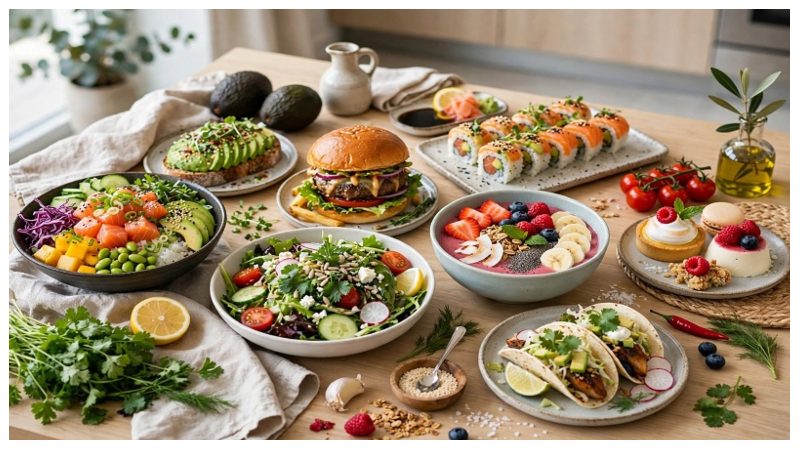

Food trends continue to shape the way people discover, prepare, and enjoy meals. New ingredients, creative recipes, international flavors, and changing eating habits can introduce exciting ideas into everyday cooking. While some trends become popular for a short time, others become lasting parts of modern food culture.
The JalbiteBlog Food Trend From JustALittleBite: Guide explores different food ideas, cooking inspirations, healthy choices, global flavors, seasonal ingredients, and simple meals. Whether you enjoy experimenting in the kitchen or simply want to make your regular meals more interesting, understanding current food trends can give you plenty of inspiration.
1. Understanding the JalbiteBlog Food Trend
Food trends reflect the changing interests of people who enjoy cooking and eating. They can involve particular ingredients, preparation methods, recipes, presentation styles, or combinations of flavors. Online platforms have also made it easier for people to discover and share new food ideas.
The JalbiteBlog food trend focuses on discovering practical and creative possibilities rather than following every trend blindly. A popular recipe can provide inspiration, while personal taste determines how you adapt it to your own kitchen.
What Is a Food Trend?
A food trend is an ingredient, recipe, cooking technique, flavor, or eating style that attracts increased attention for a period of time. A trend might begin in restaurants, home kitchens, social media communities, food publications, or other parts of food culture.
For example, a particular grain, vegetable, drink, or cooking method may become widely discussed because people find it convenient, visually appealing, flavorful, or easy to recreate. Some trends disappear quickly, while others become common choices in everyday cooking.
Food trends can also encourage people to explore ingredients they have never used before. This makes them useful sources of culinary inspiration.
How Food Trends Change
Food trends change as people’s preferences, lifestyles, technology, and access to ingredients evolve. Busy schedules can increase interest in quick meals, while growing interest in balanced eating can encourage recipes featuring vegetables, grains, legumes, and other nutrient-rich foods.
Social media has also accelerated the way food ideas spread. A creative recipe can quickly reach large audiences, inspiring people to recreate it or develop their own version.
Seasonal availability, cultural influences, restaurant menus, and new cooking appliances can also affect trends. As a result, the food landscape continues to offer new combinations and possibilities.
Why People Follow New Food Ideas
People follow new food ideas for many different reasons. Some enjoy trying unfamiliar flavors, while others want easier recipes for busy days. Food trends can also provide inspiration when everyday meals begin to feel repetitive.
Trying a new recipe can make cooking more enjoyable and encourage experimentation. Even if a trend does not become a regular part of your diet, it may introduce a useful ingredient, cooking technique, or flavor combination.
The important point is to choose ideas that suit your preferences, available ingredients, and cooking routine.
2. Exploring Popular Food Trends
Popular food trends often combine convenience with creativity. Many modern recipes use familiar ingredients in fresh ways, making them accessible to home cooks.
Trending Flavors
Flavor combinations are an important part of modern food trends. Sweet and spicy flavors, smoky seasonings, citrus, fresh herbs, garlic, ginger, and aromatic spices can add depth to simple meals.
A basic roasted vegetable dish, for example, can become more interesting with lemon, herbs, and a flavorful dressing. Similarly, rice, noodles, or grain bowls can take on completely different characters through sauces and seasonings.
Experimenting with flavor does not require complicated recipes. Start with familiar ingredients and introduce one new flavor at a time.
Popular Ingredients
Popular ingredients often become noticeable because they are versatile and easy to incorporate into different recipes. Vegetables, beans, lentils, whole grains, fresh herbs, seeds, fruits, mushrooms, and avocados can all work across multiple meals.
Versatility makes an ingredient especially useful. Chickpeas, for example, can be added to salads, roasted for snacks, blended into dips, or included in warm dishes.
Keeping flexible ingredients available can help you create meals without needing to follow a recipe exactly.
Creative Recipe Ideas
Creative recipes give familiar foods a new personality. You might turn leftover vegetables into a colorful wrap, add herbs to a simple grain bowl, or use seasonal fruit in a breakfast dish.
Another approach is to change the texture of a familiar meal. Roasting, grilling, baking, or lightly crisping ingredients can create a different experience without completely changing the recipe.
Creativity works best when you focus on balance. Consider taste, texture, color, and freshness when putting ingredients together.
3. JustALittleBite Food Inspiration
Food inspiration can come from many sources, including recipes, family cooking traditions, restaurants, seasonal markets, and online food communities. The JustALittleBite concept can be used as a starting point for discovering simple and appealing food ideas.
Fresh Meal Ideas
Fresh meals can include colorful vegetables, fruits, grains, herbs, and suitable protein sources. Salads, grain bowls, wraps, vegetable-based pasta, and homemade sandwiches are easy to customize.
For breakfast, fresh fruit with yogurt and oats can provide a simple option. At lunchtime, a vegetable and chickpea bowl can be prepared with grains and a flavorful dressing. Dinner can feature roasted vegetables with rice, potatoes, or another preferred staple.
Using fresh ingredients also allows you to adjust meals according to what is available.
Modern Cooking Styles
Modern cooking does not always mean complicated cooking. Many current methods focus on convenience, efficient preparation, and flexible recipes.
One-pan meals, sheet-pan vegetables, air-fried foods, grilled dishes, roasted ingredients, and make-ahead meals can simplify cooking. These methods can also help create different textures and flavors from familiar ingredients.
Modern cooking styles encourage people to use their kitchens creatively while saving preparation time.
Simple Ways to Try New Foods
Trying something new can be as simple as purchasing one unfamiliar vegetable, spice, grain, or sauce. Use it in a familiar recipe rather than creating an entirely new meal.
You can also choose one international recipe each week, experiment with seasonal produce, or change the seasoning in a favorite dish.
Small experiments make food discovery less overwhelming and can gradually expand your cooking skills.
4. Healthy Food Trends
Healthy food trends often focus on variety, balanced meals, fresh ingredients, and practical cooking methods. A healthy approach should remain flexible and enjoyable rather than making meals unnecessarily restrictive.
Balanced Meal Ideas
A balanced meal can combine vegetables or fruit, a protein source, grains or other carbohydrates, and suitable fats. The proportions and ingredients can vary depending on individual needs and preferences.
A colorful grain bowl with vegetables, beans, herbs, and dressing is one example. Another could be grilled fish or another protein served with roasted vegetables and a grain or potato.
Variety is useful because different foods provide different nutrients and flavors.
Nutritious Ingredients
Nutritious ingredients can make meals both satisfying and flavorful. Vegetables and fruits provide important vitamins, minerals, and other beneficial plant compounds. Beans and lentils can provide protein and fiber, while whole grains contribute fiber and other nutrients.
Nuts and seeds can add texture and flavor to salads, oatmeal, yogurt, and other dishes. Fresh herbs and spices can also improve flavor without requiring complicated preparation.
Rather than relying on one ingredient, include a variety of foods throughout your meals and across the week.
Healthier Cooking Choices
Small cooking changes can make familiar recipes fit different eating preferences. You might add more vegetables to pasta, use whole-grain bread for sandwiches, include beans in rice dishes, or choose baking and roasting instead of deep-frying for some recipes.
Homemade meals can also make it easier to control ingredients such as salt, added sugar, and sauces.
The best changes are practical ones that you can continue comfortably as part of your normal cooking routine.
5. Global Food Trends
Global cuisine provides endless inspiration for home cooks. Different cultures use unique combinations of spices, ingredients, textures, and cooking techniques.
International Flavors
International flavors can transform ordinary meals. Mediterranean-inspired recipes may use herbs, vegetables, grains, olive oil, and citrus. Asian-inspired dishes often explore ingredients such as ginger, sesame, garlic, and soy-based sauces. Mexican-inspired meals can feature beans, corn, peppers, tomatoes, herbs, and citrus.
Exploring these flavors does not mean every meal needs to be complicated. A new seasoning or sauce can be enough to change a familiar dish.
Fusion Food Ideas
Fusion food brings elements from different culinary traditions together. It can involve combining ingredients, sauces, seasonings, or preparation techniques from different cuisines.
For example, a simple grain bowl might combine roasted vegetables with a sauce inspired by another cuisine. A sandwich can also receive a new character through an international spice blend or dressing.
Successful fusion cooking depends on balance. Choose ingredients that complement one another instead of adding too many unrelated flavors.
Popular Dishes Around the World
Exploring dishes from different countries can introduce new ideas for soups, noodles, curries, rice dishes, flatbreads, salads, stews, and grilled foods.
You can start with recipes that use ingredients you already know. Once you become comfortable, try more unfamiliar ingredients or preparation methods.
Global food exploration can also make family meals more interesting and encourage everyone to discover new tastes.
6. Easy Food Ideas for Everyday Meals
Not every food trend needs a complicated recipe. Many popular ideas can be adapted into quick meals using ingredients already available at home.
Quick Breakfast Ideas
Breakfast can be simple and satisfying. Oatmeal topped with fruit and seeds, yogurt with berries, whole-grain toast with eggs, or a vegetable omelet can provide different flavors and textures.
Smoothies are another flexible option. Fruits, leafy greens, yogurt, milk or a suitable alternative can be combined according to personal preferences.
Preparing some ingredients the night before can make busy mornings easier.
Simple Lunch and Dinner
Lunch and dinner can be built around a few versatile ingredients. A wrap can combine vegetables, protein, herbs, and a flavorful spread. A grain bowl can use rice or another grain, vegetables, beans, and dressing.
For dinner, one-pan roasted vegetables with a protein source can reduce preparation and cleanup. Pasta, soup, rice dishes, and stir-fries can also be adapted with seasonal ingredients.
Simple meals become more appealing when you vary seasonings and textures.
Creative Snacks and Drinks
Snacks can provide another opportunity to experiment. Fresh fruit with yogurt, roasted chickpeas, vegetable sticks with dip, nuts, seeds, or whole-grain toast are easy ideas.
For drinks, infused water with lemon, cucumber, berries, or mint can provide refreshing flavor. Homemade smoothies and unsweetened iced teas can also be adapted with different ingredients.
Simple presentation can make snacks and drinks feel more enjoyable without requiring extra effort.
7. Seasonal Food Trends
Seasonal ingredients can bring natural variety to your meals. Each season provides different produce and opportunities for creative recipes.
Fresh Summer Foods
Warm weather often encourages lighter meals. Fresh salads, fruit bowls, chilled soups, grilled vegetables, wraps, and refreshing drinks can be suitable choices.
Summer fruits can also be added to yogurt, oats, salads, and simple desserts. Fresh herbs and citrus can give meals a bright flavor.
Cozy Winter Recipes
Winter provides an opportunity for warm and comforting meals. Soups, stews, roasted vegetables, baked dishes, curries, and warm grain bowls can make cold days more enjoyable.
Spices such as ginger, cumin, cinnamon, paprika, and other seasonings can add warmth and depth to many recipes.
Using Seasonal Ingredients
Seasonal ingredients can inspire your weekly menu. Instead of repeating the same meals, choose available produce and find different ways to prepare it.
Vegetables can be roasted, steamed, grilled, or added to soups and salads. Fruits can become breakfast toppings, snacks, sauces, or simple desserts.
Using seasonal foods can make cooking feel more connected to the time of year while encouraging experimentation.
8. Final Thoughts
Food trends can introduce exciting possibilities, but they do not need to control the way you eat. The most useful ideas are those that help you discover new flavors, improve your cooking routine, and enjoy a wider variety of foods.
Making Food More Enjoyable
Making food more enjoyable can begin with small changes. Try a new seasoning, experiment with a seasonal ingredient, prepare a colorful meal, or give a classic recipe a modern twist.
The JalbiteBlog Food Trend From JustALittleBite: Guide offers inspiration for exploring food in a simple and creative way. From trending flavors and healthy meal ideas to international dishes, seasonal recipes, snacks, and drinks, there are countless ways to bring fresh ideas into your kitchen.